












Cookery program presented
Cooking has always been an essential part of human life, but over time, it has evolved into something much more than just a daily necessity. Today, cooking is an art, a form of entertainment, and a powerful way to connect with people across cultures. One of the most influential ways this transformation has taken place is through cookery programs.
A cookery program, when presented effectively, does more than just teach recipes. It tells stories, inspires creativity, and brings the joy of cooking into millions of homes. From television screens to online platforms, these programs have become a major source of learning, entertainment, and cultural exchange.
The Rise of Cookery Programs
Cookery programs have been around for decades, but their popularity has grown significantly in recent years. In the past, these shows were mostly simple demonstrations where a chef would prepare a dish step by step. Today, they have evolved into full-scale productions that combine education with entertainment.
With the rise of digital media, cookery programs are no longer limited to television. Platforms like YouTube, social media, and streaming services have made it easier for anyone to present their own cooking content. This has opened the door for new talent and diverse voices from around the world.
The modern audience is not just looking for recipes — they want an experience. They want to understand the story behind the food, the culture it comes from, and the personality of the person presenting it.
What Makes a Cookery Program Successful?
Presenting a cookery program is not just about knowing how to cook. It requires a unique combination of skills, including communication, creativity, and the ability to connect with an audience.
1. A Charismatic Presenter
The presenter is the heart of any cookery program. Their personality, energy, and style play a huge role in keeping viewers engaged. A good presenter makes the audience feel comfortable and excited to try new recipes.
They don’t just instruct — they interact. They share tips, tell stories, and sometimes even make mistakes, which makes them relatable.
2. Clear and Simple Instructions
One of the main goals of a cookery program is to teach. This means the instructions must be easy to follow. Viewers should feel confident that they can recreate the dish at home without confusion.
Breaking down complex recipes into simple steps is a key part of effective presentation.
3. Visual Appeal
Food is a visual experience. The way a dish looks can be just as important as how it tastes. Successful cookery programs focus on presentation, using good lighting, camera angles, and plating techniques to make the food look irresistible.
Close-up shots of sizzling pans, melting cheese, or freshly baked bread can instantly capture attention.
4. Storytelling
The best cookery programs go beyond recipes — they tell stories. Whether it’s the history of a dish, a personal memory, or a cultural tradition, storytelling adds depth and meaning to the cooking process.
It transforms a simple recipe into something memorable.
Different Types of Cookery Programs
Cookery programs come in many forms, each offering a unique experience for viewers.
Educational Shows
These focus on teaching cooking techniques and recipes. They are ideal for beginners who want to learn the basics.
Competitive Shows
Cooking competitions have become extremely popular. These shows feature contestants competing to create the best dishes under pressure. They combine cooking with drama, making them highly entertaining.
Travel and Food Shows
In these programs, presenters travel to different places to explore local cuisines. They highlight cultural diversity and introduce viewers to new flavors and traditions.
Online Cooking Channels
With the growth of social media, many individuals have started their own cooking channels. These are often more casual and personal, allowing creators to connect directly with their audience.
The Impact of Cookery Programs
Cookery programs have had a significant impact on how people view and approach food.
Inspiring Home Cooking
Many people who once relied on takeout or ready-made meals are now inspired to cook at home. Watching a cookery program can make cooking seem fun and achievable.
Promoting Healthy Eating
Some cookery programs focus on nutrition and healthy recipes. They encourage viewers to make better food choices and adopt healthier lifestyles.
Preserving Cultural Heritage
Food is an important part of culture, and cookery programs help preserve and share traditional recipes. They allow people to learn about different cuisines and appreciate cultural diversity.
Creating Career Opportunities
Cookery programs have also created new career paths. Many chefs, food bloggers, and content creators have built successful careers by presenting cooking content.
Challenges in Presenting a Cookery Program
While cookery programs may look easy, they come with their own set of challenges.
- Time Constraints: Preparing a dish within a limited time can be difficult.
- Audience Expectations: Viewers expect high-quality content and creativity.
- Consistency: Maintaining a regular schedule and quality can be challenging.
- Competition: With so many cooking shows available, standing out requires uniqueness.
Despite these challenges, the rewards can be significant for those who succeed.
Tips for Creating Your Own Cookery Program
If you’re interested in presenting your own cookery program, here are some practical tips:
- Start Simple: You don’t need expensive equipment. A smartphone and good lighting can be enough.
- Be Yourself: Authenticity is key. Let your personality shine.
- Choose Your Niche: Focus on a specific type of cooking, such as street food, healthy meals, or traditional recipes.
- Engage with Your Audience: Respond to comments and feedback.
- Keep Learning: Improve your cooking and presentation skills over time.
Consistency and passion are the most important factors for success.
The Future of Cookery Programs
The future of cookery programs looks bright. With advancements in technology, we can expect even more interactive and immersive experiences.
Virtual reality cooking classes, live streaming, and AI-driven recipe suggestions are just a few possibilities. As audiences continue to evolve, cookery programs will adapt to meet their expectations.
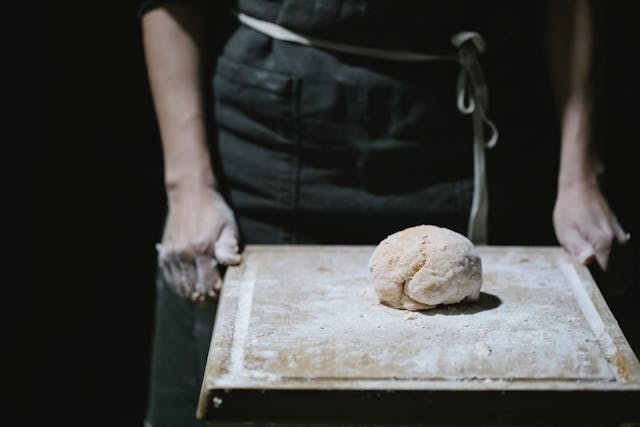
One thing is certain — the love for food and cooking will never go away. As long as people enjoy eating and sharing meals, cookery programs will remain relevant.
Conclusion
A cookery program, when presented well, is much more than just a cooking show. It’s a blend of education, entertainment, and culture. It brings people together, inspires creativity, and makes cooking accessible to everyone.
Whether you’re a professional chef or a beginner in the kitchen, there’s always something to learn and enjoy from these programs. They remind us that cooking is not just about preparing food — it’s about creating experiences, sharing stories, and celebrating life.
In a world where digital content continues to grow, cookery programs stand out as a powerful and meaningful way to connect with audiences. And as more people discover the joy of cooking, their impact will only continue to expand.