









New coronavirus lockdowns lead to oil price slump
The global economy has always been closely tied to energy markets, and few resources are as influential as oil. When demand rises, prices climb. When uncertainty spreads, markets react swiftly. One of the clearest examples of this relationship has been seen during the waves of lockdowns triggered by COVID-19. As countries reintroduce restrictions to control outbreaks, the ripple effects are once again shaking the oil industry.
The Return of Lockdowns and Economic Slowdown
After initial optimism about recovery, several regions have been forced to impose new restrictions due to rising infection rates. Lockdowns, travel bans, and reduced industrial activity directly impact fuel consumption. Air travel declines, factories slow down, and daily commuting decreases — all of which significantly reduce the demand for oil.
During the early stages of the pandemic, the world witnessed one of the sharpest declines in oil demand in history. Now, with renewed lockdowns, similar patterns are beginning to emerge. While not as severe as before, the uncertainty is enough to trigger caution among investors and traders.
The connection is simple: less movement equals less fuel usage. And when demand drops, prices follow.
Why Oil Prices Are So Sensitive
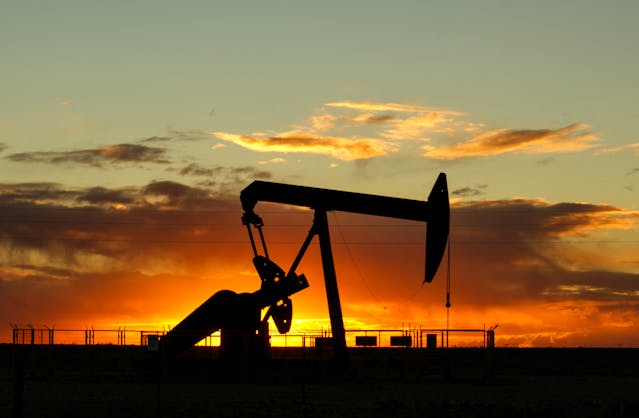
Oil markets are extremely reactive because they are driven by global demand and supply expectations. Even the anticipation of reduced consumption can push prices downward.
Major oil-producing organizations like OPEC carefully monitor these changes. When lockdowns spread across multiple countries, OPEC and its allies often face pressure to adjust production levels to stabilize prices. However, balancing supply in an uncertain environment is never easy.
Investors also play a major role. Fear of economic slowdown leads to sell-offs in oil futures, further accelerating price declines. This chain reaction makes oil one of the most volatile commodities during global crises.
Impact on Global Economies
The slump in oil prices has mixed consequences for different economies. For oil-importing countries, lower prices can be beneficial. It reduces energy costs, lowers inflation, and provides some relief to consumers and businesses.
However, for oil-exporting nations, the situation is far more challenging. Countries that rely heavily on oil revenue face budget deficits, reduced government spending, and economic instability. Nations in the Middle East, as well as economies like Russia, often feel the pressure when prices fall.
Even large economies like the United States are affected. While cheaper fuel can benefit consumers, it also hurts domestic oil producers, leading to job losses and reduced investments in the energy sector.
The Aviation and Transport Sector
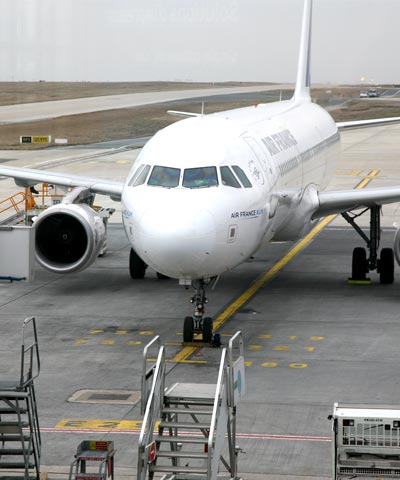
One of the hardest-hit industries during lockdowns is aviation. Airlines depend heavily on fuel, and when flights are grounded, demand for jet fuel collapses. This was clearly visible during the peak of the pandemic, and history seems to be repeating itself.
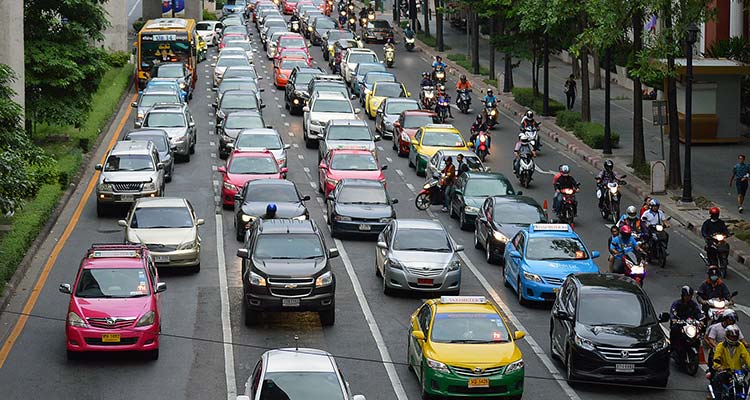
Similarly, public transport systems, ride-sharing services, and logistics networks experience reduced activity. Although e-commerce continues to grow, it does not fully compensate for the decline in overall transportation demand.
The slowdown in these sectors creates a chain reaction, further contributing to the oil price slump.
Market Reactions and Investor Sentiment
Financial markets are driven by sentiment as much as by data. News of new lockdowns often triggers immediate reactions in global markets. Oil prices can drop within hours of major announcements, reflecting fears of reduced consumption.
Traders closely watch developments in key regions such as China, Europe, and North America. Since these areas represent a large portion of global oil demand, any restrictions imposed there have a significant impact on prices.
In addition, uncertainty about how long lockdowns will last adds another layer of volatility. Short-term restrictions may cause temporary dips, but prolonged lockdowns can lead to sustained price slumps.
Supply Adjustments and Strategic Moves
To counter falling prices, oil-producing countries often reduce output. OPEC+ (a coalition of OPEC members and allied producers) has previously implemented production cuts to support the market.
However, these decisions are complex. Cutting production too much can lead to loss of market share, while not cutting enough can result in further price declines. The balance between supply and demand becomes increasingly delicate during global crises.
At the same time, some countries take advantage of lower prices by increasing their strategic reserves. This can provide a slight boost to demand, but it is rarely enough to offset the broader impact of lockdowns.
Long-Term Implications for the Energy Sector
The repeated cycle of lockdowns and price fluctuations has raised questions about the future of the oil industry. Many countries are now accelerating their transition toward renewable energy sources.
Solar, wind, and electric vehicles are gaining traction as governments aim to reduce reliance on fossil fuels. While oil will continue to play a major role in the global economy, its dominance is gradually being challenged.
The pandemic has acted as a catalyst, pushing both policymakers and investors to rethink energy strategies. This shift could have long-term implications for oil demand, even after the pandemic ends.
Opportunities Amid the Crisis
Despite the challenges, periods of low oil prices can create opportunities. Businesses with high energy consumption can reduce operational costs, while investors may find attractive entry points in energy stocks.
For individuals, lower fuel prices mean reduced transportation expenses. However, these benefits are often overshadowed by the broader economic slowdown caused by lockdowns.
Entrepreneurs and businesses that adapt quickly to changing conditions — such as focusing on digital services or optimizing logistics — are better positioned to survive and grow.
The Road Ahead
The future of oil prices largely depends on how the world manages the ongoing pandemic. Vaccination efforts, public health policies, and global cooperation will play crucial roles in determining the pace of recovery.
If lockdowns continue, oil demand may remain under pressure. On the other hand, a successful containment of the virus could lead to a strong rebound in economic activity and energy consumption.
One thing is certain: the relationship between global health crises and oil markets is now more evident than ever. The lessons learned during this period will likely shape economic and energy policies for years to come.
Conclusion
The resurgence of coronavirus lockdowns has once again highlighted the fragile balance of global oil markets. Reduced demand, market uncertainty, and shifting economic conditions have all contributed to the recent price slump.
While the situation presents challenges, it also offers valuable insights into the interconnected nature of the global economy. As the world navigates through uncertainty, adaptability and resilience will be key — not just for the oil industry, but for every sector impacted by these unprecedented times.