







Airlines have grounded more than 16,000 planes
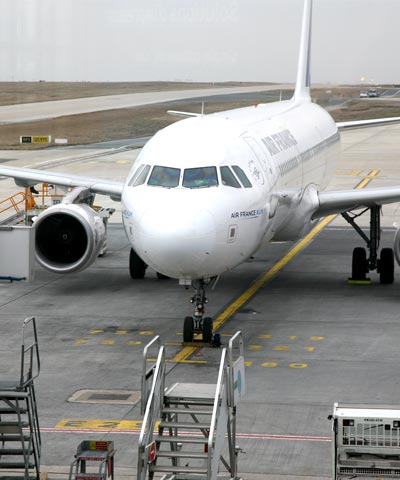
The global aviation industry has faced one of the most dramatic disruptions in modern history, with airlines reportedly grounding more than 16,000 aircraft at the peak of widespread travel restrictions and demand collapse. This massive grounding reflects how quickly global mobility can come to a halt when economic uncertainty and health crises collide.
Why So Many Planes Were Grounded
The grounding of aircraft was primarily driven by a sudden and severe drop in passenger demand. When international travel restrictions and lockdowns were introduced across multiple countries, airlines had no choice but to park their fleets.
Key reasons included:
- Sharp decline in passenger bookings
- Border closures and travel bans
- Reduced business travel
- Financial pressure on airlines
- Operational cost-cutting measures
With planes flying empty or nearly empty, operating them became economically unsustainable.
The Role of the COVID-19 Crisis
The aviation collapse is closely linked to the global disruption caused by the COVID-19. As the virus spread across continents, governments imposed strict travel restrictions to limit transmission.
Major aviation hubs were hit hard, especially in regions like:
- Europe
- North America
- Asia-Pacific
Airports that once handled thousands of flights daily suddenly became quiet and underused.
Airlines Under Pressure
Major global carriers were forced to make difficult decisions. Many airlines:
- Parked long-haul fleets in deserts and storage facilities
- Suspended international routes
- Reduced staff and salaries
- Delayed aircraft deliveries
Organizations like IATA reported unprecedented losses, estimating billions of dollars in lost revenue for the industry.
Impact on Airports and Jobs
The grounding of such a large number of aircraft had a ripple effect across the entire aviation ecosystem.
Airports
- Massive drop in passenger traffic
- Reduced airport revenue
- Closure of terminals in some regions
Jobs
- Airline staff furloughs and layoffs
- Reduced working hours for ground staff
- Financial stress for aviation workers
Industries connected to aviation — tourism, hospitality, and logistics — were also heavily affected.
Aircraft Storage and “Plane Parking”
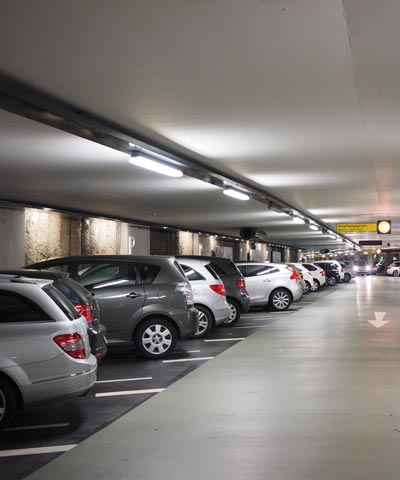
With thousands of aircraft out of service, airlines had to find space to store them safely.
Common storage locations included:
- Desert airports (dry climates reduce corrosion)
- Remote airfields
- Specialized aircraft storage facilities
Planes were carefully maintained during storage to ensure they could return to service when demand recovered.
Economic Impact of Grounded Fleets
The grounding of aircraft created a major global economic shock:
- Loss of airline revenue
- Reduced tourism income for countries
- Disruption of global supply chains
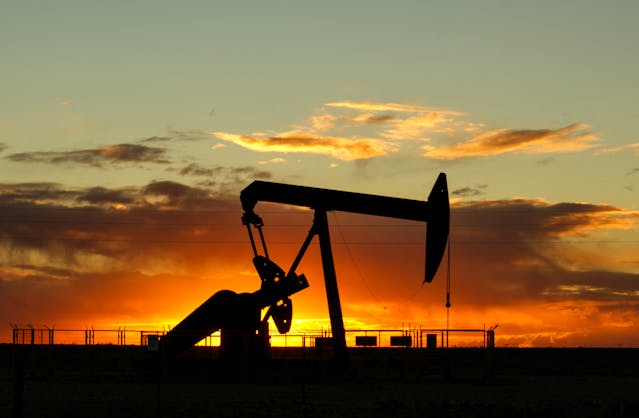
- Decline in fuel demand affecting oil markets
Even aircraft manufacturers like Boeing and Airbus faced delays and reduced orders.
Gradual Recovery of Aviation
As restrictions eased and vaccination campaigns expanded, the aviation industry began to recover. Domestic travel returned first, followed by international routes.
However, recovery has been uneven:
- Leisure travel recovered faster than business travel
- Some airlines recovered quicker than others
- Fleet sizes are still being adjusted in many regions
The industry continues to rebuild and adapt to new travel patterns.
Lessons From the Crisis
The grounding of more than 16,000 aircraft highlights several important lessons:
1. Global systems are highly interconnected
A health crisis can disrupt aviation, tourism, and trade simultaneously.
2. Flexibility is essential
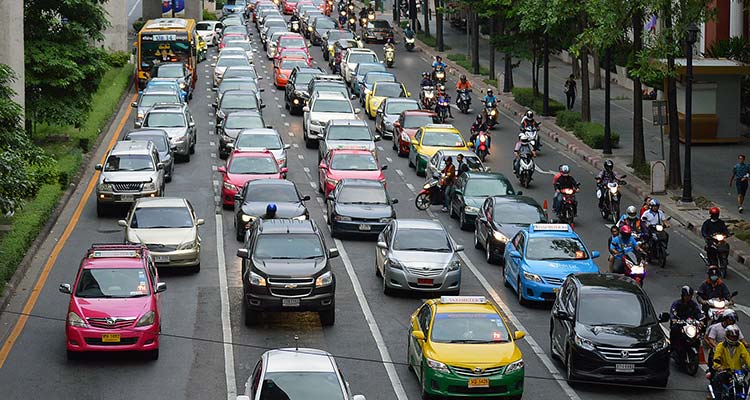
Airlines must be able to quickly scale operations up or down.
3. Risk management matters
Diversified revenue streams can help companies survive shocks.
4. Health and safety shape mobility
Public health directly influences global travel behavior.
Final Thoughts
The grounding of thousands of planes marked a historic moment in aviation history. It showed how quickly the world can pause when faced with a global crisis.
While the industry is recovering, the impact of this event will be studied for years as a turning point in how airlines manage risk, operations, and global demand.
In the end, it wasn’t just about grounded aircraft — it was about a grounded world. ✈️