




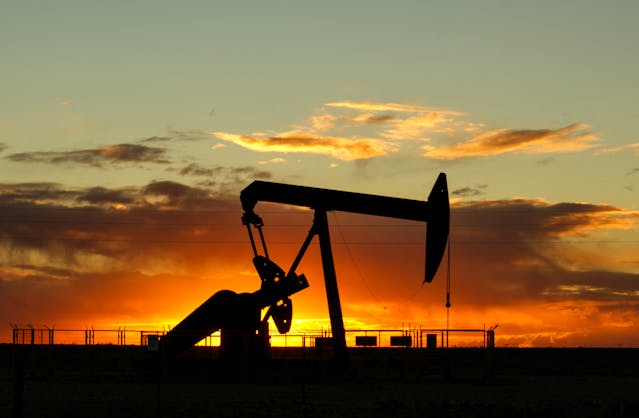






Oil line explosion in Tamata
An oil line explosion in Tamata has raised serious concerns about infrastructure safety, emergency response readiness, and environmental impact. Incidents like this are not only dangerous in the immediate moment but can also have long-lasting effects on nearby communities, ecosystems, and energy supply systems.
While details may vary depending on the exact location and investigation updates, events involving oil pipeline explosions typically follow a similar pattern of causes, consequences, and emergency responses.
What Happened in Tamata?
An oil line explosion usually occurs when a pressurized pipeline carrying crude oil or petroleum products ruptures and ignites. In Tamata’s case, reports indicate a sudden blast followed by fire and thick smoke rising from the affected area.
Such incidents often involve:
- A sudden leak or rupture in the pipeline
- Rapid ignition due to heat or spark
- Fire spreading along the oil trail
- Emergency shutdown of nearby systems
These explosions can escalate quickly because oil is highly flammable and often transported under high pressure.
Possible Causes of the Explosion
While investigations are still required to confirm the exact reason, oil pipeline explosions are commonly linked to:
1. Pipeline Corrosion
Over time, metal pipelines can weaken due to rust and chemical reactions, leading to cracks or leaks.
2. Maintenance Failures
Poor inspection schedules or delayed repairs can increase the risk of structural failure.
3. External Damage
Construction work, digging, or accidental impact can damage underground or exposed pipelines.
4. Pressure Build-Up
If pressure inside the pipeline exceeds safe limits, it can cause a rupture.
5. Sabotage or Human Error
In some cases, improper handling or intentional interference can lead to disasters.
Immediate Impact on the Area
The explosion in Tamata likely caused significant disruption in multiple ways:
🔥 Fire and Destruction
The ignition of leaking oil creates intense fires that are difficult to control and can burn for hours or even days.
🚧 Evacuation of Nearby Residents
Authorities typically evacuate surrounding areas to ensure public safety.
🚗 Transport Disruption
Roads near the site are often closed, affecting travel and emergency access.
🌫️ Air Pollution
Burning oil releases toxic smoke, which can affect air quality and health.
Environmental Concerns
Oil line explosions are not just industrial accidents — they are also environmental disasters.
Possible environmental impacts include:
- Soil contamination from spilled oil
- Damage to vegetation and wildlife habitats
- Air pollution from toxic gases
- Long-term groundwater contamination risk
Cleaning up such damage can take months or even years depending on severity.
Emergency Response Efforts
In incidents like this, emergency teams usually act quickly to:
- Control and extinguish the fire
- Shut down the affected pipeline section
- Secure the surrounding area
- Provide medical assistance to injured individuals
- Begin investigation procedures
Specialized firefighting units are often required because oil fires cannot be controlled with ordinary methods.
Impact on Local Communities
For people living in and around Tamata, such an explosion can be deeply disruptive.
Residents may face:
- Temporary displacement
- Fear and uncertainty
- Property damage
- Health concerns from smoke exposure
- Economic disruption if businesses are affected
Even after the fire is controlled, recovery can take time.
Broader Lessons From Pipeline Accidents
Oil pipeline explosions are rare, but when they happen, they highlight important global issues:
1. Infrastructure Safety
Regular inspection and modernization of pipelines are essential.
2. Emergency Preparedness
Local authorities must be trained to respond quickly to industrial disasters.
3. Environmental Protection
Stronger regulations are needed to minimize ecological damage.
4. Energy System Risks
Dependence on fossil fuel infrastructure comes with inherent risks that must be managed carefully.
Why These Incidents Matter
Events like the Tamata oil line explosion are reminders that energy systems, while powerful and essential, are also vulnerable. A single failure can trigger widespread consequences affecting people, nature, and economies.
They highlight the need for:
- Better safety standards
- Improved monitoring technology
- Faster emergency response systems
- Investment in safer energy alternatives
Final Thoughts
The oil line explosion in Tamata is a serious incident that underscores the dangers associated with large-scale fuel transportation systems. While immediate efforts focus on controlling the fire and ensuring public safety, long-term attention must be given to prevention and infrastructure improvement.
Ultimately, such events remind us that safety and maintenance are just as important as production and progress when it comes to energy systems.