








“Free Parking” Space Not Available
Finding a parking spot in busy urban areas has become one of the most frustrating everyday challenges for drivers. The sign that once promised relief — “Free Parking” — often leads to disappointment when no space is actually available.
This simple phrase highlights a bigger issue: growing traffic pressure, limited infrastructure, and increasing vehicle ownership in cities worldwide.
🚦 Why Free Parking Spaces Are Disappearing
In many cities, parking demand has grown much faster than parking supply. More cars are on the road, but space for them has not expanded at the same rate.
Key reasons include:
- Rapid increase in private vehicle ownership
- Limited urban space for parking development
- Poor city planning in older areas
- Commercial expansion reducing open land
As a result, “free parking” often becomes more of a hope than a guarantee.
🏙️ The Urban Traffic Problem
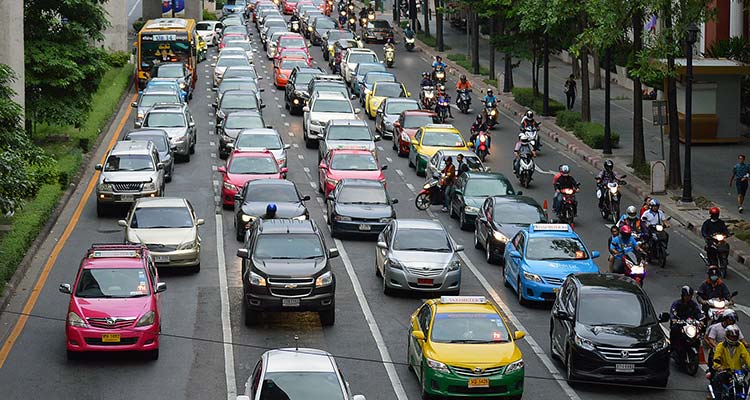
Cities like Karachi face serious parking and traffic congestion issues. Narrow streets, crowded markets, and high population density make it extremely difficult to find available parking — especially during peak hours.
This leads to:
- Drivers circling blocks repeatedly
- Illegal parking on roadsides
- Increased traffic jams
- Frustration and wasted time
⏳ Time Wasted Searching for Parking
Studies in major cities show that drivers can spend 10–30 minutes or more just searching for a parking spot.
This creates:
- Extra fuel consumption
- Increased air pollution
- Higher stress levels for drivers
- Reduced productivity in daily life
Ironically, “free parking” often ends up costing more in time and fuel than paid parking.
🚧 The Problem With “Free” Parking Zones
Free parking areas are usually:
- Unregulated
- Poorly maintained
- Quickly overcrowded
Without proper management, these spaces are filled early in the day and remain unavailable for most drivers afterward.
In some cases, long-term parking by a few vehicles reduces turnover, making it even harder for others to find space.
🧠 Driver Behavior and Competition
Parking scarcity also changes how drivers behave. When space is limited:
- Drivers become more aggressive
- Competition for spots increases
- Minor disputes happen more frequently
- Traffic flow slows down near parking areas
This “parking hunt” effect contributes heavily to urban congestion.
🌍 Global City Challenge
The issue is not limited to one country. Major cities around the world face similar problems:
- Dense urban planning
- High vehicle density
- Limited land availability
As cities grow, parking becomes a major part of transportation planning — not just an afterthought.
💡 Possible Solutions
Cities are exploring several solutions to fix parking shortages:
1. Smart Parking Systems
Digital apps that show real-time available parking spaces.
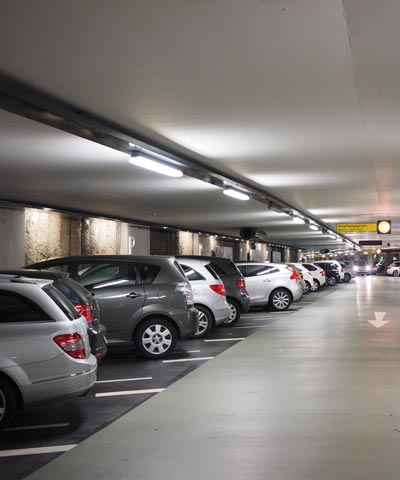
2. Multi-Level Parking Structures
Vertical parking buildings to maximize limited space.
3. Paid Parking Management
Controlled pricing to improve space turnover.
4. Public Transport Expansion
Reducing dependency on private vehicles.
5. Urban Planning Improvements
Better zoning and dedicated parking areas in new developments.
🔚 Final Thoughts
The message “Free Parking Space Not Available” reflects more than just inconvenience — it represents a growing urban challenge.
As cities continue to expand, parking will remain a key issue unless smarter planning and transport solutions are adopted.
In the end, the real solution may not just be finding more parking — but reducing the need for it altogether. 🚗💭