











Cases Are Rising Fastest in These Five States
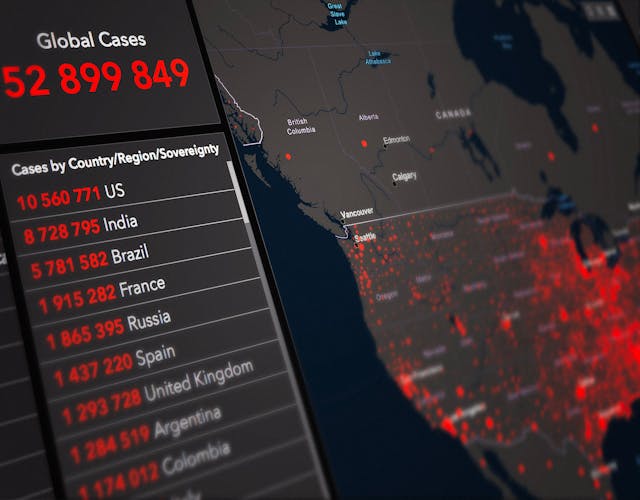
As health officials continue to monitor disease trends across the United States, new data shows that cases of respiratory illnesses have been rising rapidly in certain regions. While overall trends may fluctuate, specific states often experience sharper increases due to factors like population density, seasonal changes, and emerging variants.
In this article, we take a closer look at where cases are rising the fastest, why it’s happening, and what it means for public health.
Understanding the Current Situation
Recent health data suggests that, as of early 2026, overall infection trends for COVID-19 have been stabilizing or even declining in many areas. According to health monitoring data, infections were declining in most U.S. states and not increasing in any at that time.
However, this does not mean the risk is gone. Localized spikes can still occur, especially when new variants emerge or seasonal illnesses like flu overlap with COVID-19.
The Five States Seeing the Fastest Rise
While exact rankings can change week to week, reports and surveillance data have consistently highlighted certain regions where activity has been higher.
1. Northeastern States
States in the Northeast have shown higher activity levels in recent monitoring reports. Wastewater data and hospital visits indicate increased circulation of viruses in this region.
2. Midwestern States
The Midwest has also experienced noticeable increases, particularly during colder months when people spend more time indoors, allowing viruses to spread more easily.
3. Florida
Florida has seen spikes in respiratory illnesses, especially flu-related cases, with emergency visits increasing during peak periods.
4. States Affected by New Variants
Some states have experienced rises linked to new COVID variants, such as the “Stratus” variant, which previously drove higher positivity rates in multiple areas.
5. High-Density Urban States
States with large urban populations tend to see faster spread due to close contact in cities, public transport, and workplaces.
Why Are Cases Rising in These Areas?
There are several key reasons behind the increase:
Seasonal Factors
Cold weather pushes people indoors, increasing the chances of transmission.
New Variants
Viruses continue to evolve. New strains can spread faster or partially escape immunity, leading to localized spikes.
Reduced Precautions
As restrictions ease, fewer people wear masks or follow distancing, contributing to higher spread.
Vaccination Gaps
Although vaccines remain effective, uneven vaccination rates can create vulnerable communities.
How Fast Are Cases Increasing?
Health experts often track the weekly growth rate of cases, which measures how quickly infections are rising compared to the previous week.
Even a small increase in this rate can signal the beginning of a larger surge if not controlled early.
What This Means for the Public
Rising cases in specific states serve as an early warning sign. Even if the overall national trend looks stable, localized increases can quickly spread to other areas.
Key Takeaways:
- Stay informed about local case trends
- Take precautions in crowded or indoor spaces
- Follow health guidelines when necessary
- Get vaccinated or boosted if recommended
The Role of Awareness and Responsibility
Public awareness plays a crucial role in controlling the spread of disease. When people understand how quickly cases can rise in certain areas, they are more likely to take preventive measures.
Simple actions—like staying home when sick or wearing a mask in high-risk settings—can significantly reduce transmission.
Conclusion
Although overall trends may show stability, the rise of cases in certain states highlights the unpredictable nature of infectious diseases. Monitoring these changes helps health officials respond quickly and protect communities.
The key lesson is simple: even when things seem under control, staying cautious and informed is essential. Local spikes can happen anytime, but with the right awareness and actions, their impact can be minimized.