










Where’s the Vaccine?
In recent years, one question has repeatedly surfaced during health crises: Where’s the vaccine? Whether it’s a new virus outbreak or a resurgence of an existing disease, people often look toward vaccines as the ultimate solution. But the journey from identifying a disease to delivering a vaccine is complex, time-consuming, and filled with challenges.
This article explores why vaccines sometimes take time, where they come from, and what the public should realistically expect.
Why Do Vaccines Take Time?
One of the biggest misconceptions is that vaccines can be developed overnight. In reality, vaccine development is a detailed scientific process that involves multiple stages:
1. Research and Discovery
Scientists first study the virus or bacteria to understand how it works and how it affects the human body.
2. Preclinical Testing
Before human trials, vaccines are tested in laboratories and on animals to check for safety and effectiveness.
3. Clinical Trials
Human trials are conducted in phases:
- Phase 1: Small group testing for safety
- Phase 2: Larger group testing for dosage and response
- Phase 3: Thousands of participants to confirm effectiveness
4. Approval and Distribution
Health authorities review all data before approving the vaccine for public use.
Even in urgent situations, this process cannot be skipped because safety is the top priority.
Why Do People Ask “Where’s the Vaccine?”
This question often arises during outbreaks when fear and uncertainty are high. People want quick solutions, especially when cases are rising or healthcare systems are under pressure.
Some common reasons behind this concern include:
- Rapid spread of disease
- Lack of effective treatments
- Media coverage increasing anxiety
- Delays in official announcements
In such situations, vaccines are seen as hope—but expectations can sometimes be unrealistic.
Challenges in Vaccine Availability
Even after a vaccine is developed, getting it to the public is another major challenge.
Production Limitations
Manufacturing millions (or billions) of doses takes time and resources.
Distribution Issues
Vaccines must be transported safely, often requiring cold storage systems that are not available everywhere.
Global Demand
During a pandemic, every country needs vaccines at the same time, creating shortages.
Misinformation
False information can slow down vaccination efforts, as some people become hesitant to take the vaccine.
How Vaccines Changed the World
Despite the challenges, vaccines have been one of the most powerful tools in public health. They have helped control or eliminate many deadly diseases.
For example:
- Smallpox was completely eradicated
- Polio cases have drastically reduced
- COVID-19 vaccines helped lower severe cases and deaths worldwide
These successes show that while vaccines may take time, their impact is long-lasting.
What Should People Do While Waiting?
While waiting for a vaccine, individuals can still take steps to protect themselves and others:
- Maintain proper hygiene
- Avoid crowded places during outbreaks
- Follow health guidelines
- Stay informed through reliable sources
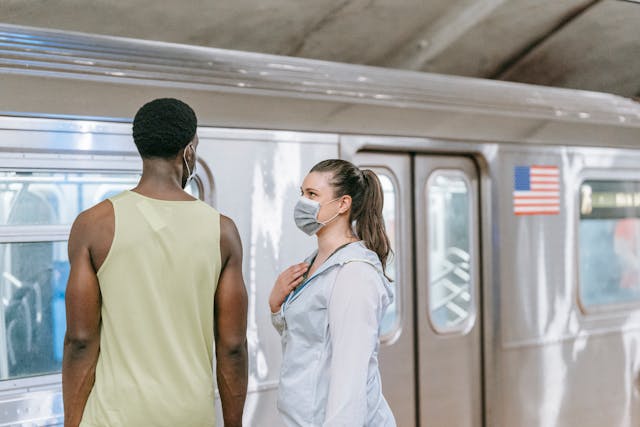
These actions may seem simple, but they play a crucial role in slowing the spread of disease.
The Role of Trust and Patience
Trust in science and patience are essential during vaccine development. Rushing the process can lead to unsafe outcomes, which can create even bigger problems.
Governments and health organizations must also communicate clearly to keep the public informed and reduce confusion.
Conclusion
The question “Where’s the vaccine?” reflects both concern and hope. While it’s natural to want quick solutions during health crises, vaccine development is a careful process designed to ensure safety and effectiveness.
Instead of focusing only on speed, it’s important to understand the bigger picture. Vaccines may not arrive instantly, but when they do, they have the power to save millions of lives.
Until then, awareness, responsibility, and patience remain our strongest tools.